

When we think about AI, our minds usually go straight to tech companies, self-driving cars, or chatbots. But in the U.S., the hospitality and dining industries have quietly been harnessing AI for years, transforming the way travelers experience hotels, restaurants, and even fast-casual chains. From luxury suites on the Las Vegas Strip to McDonald’s drive-thrus, AI is reshaping service, personalization, and- even pricing- sometimes for better, sometimes for worse.
In the world of luxury travel and dining, AI is increasingly viewed not as a replacement for human staff, but as a tool to enhance the guest experience. Luxury travel still depends on a human touch, and high-end establishments are using AI to personalize services, streamline operations, and empower employees to deliver exceptional service. By embracing AI this way, luxury hotels and fine dining restaurants can provide a seamless blend of cutting-edge technology and personalized attention, ensuring guests receive the best of both worlds.
Luxury hotel brands have been at the forefront of this shift, using AI to craft highly tailored guest experiences. Four Seasons, for example, has rolled out an AI-powered chatbot called “Chat,” accessible through messaging apps or the hotel’s website. It handles everything from dinner reservations to spa bookings, often anticipating questions before guests even have to ask. Marriott is leveraging AI to help event planners design customized weddings, conferences, and meetings, while Hilton uses AI to adjust room settings and recommendations for returning guests. The Peninsula Hotels take personalization a step further, tracking guest preferences from past stays- like pillow types, room temperature, or favorite beverages- to create experiences that feel not just custom, but intimately familiar.
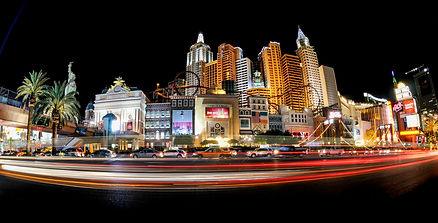
In Las Vegas, AI is everywhere, even if you don’t notice it. Hotels on the Strip are using it to predict peak check-in times, optimize housekeeping schedules, and even anticipate high-demand dining periods, making the experience feel seamless. Guests may never know that the AI is behind the scenes, but shorter lines, perfectly timed room availability, and attentive service all stem from these invisible algorithms.
AI is also making its mark in fine dining and fast-casual restaurants, quietly transforming how chefs, managers, and even servers anticipate and respond to guests. In high-end kitchens, AI systems can analyze customer preferences, dietary restrictions, and even past ordering history to help chefs craft dishes that feel truly personalized. Imagine walking into a restaurant and being offered a tasting menu curated not just for the season, but for your own tastes, allergies, and flavor profiles- AI is making that possible. Some restaurants are going a step further, using AI to suggest wine pairings, predict which ingredients will be most popular on a given night, and optimize inventory to reduce waste. Meanwhile, fast-casual chains are using AI to streamline operations, improve order accuracy, and speed up service. Systems like McDonald’s AI-powered drive-thru tools or Wendy’s FreshAI help ensure your order is correct, even during the busiest lunch rush, while kiosks and automated ordering interfaces are gradually reducing the number of staff needed at the counter. Unfortunately, this shift is also eliminating jobs for frontline employees.
Of course, AI isn’t only impacting service- it’s also changing the way we pay. Dynamic pricing, powered by AI, adjusts hotel room rates in real time based on demand, seasonality, and local events. In many places, like Las Vegas, this can mean higher rates during big conventions, but also unbeatable deals during off-peak periods. Yes, fluctuating prices can burn you (there are few things worse than realizing you spent hundreds of dollars more for the same hotel or service), but savvy planning can turn AI-driven pricing into a way to score an incredible bargain.
AI is still in its early days in hospitality, and the next year or two could bring changes we can hardly imagine. It’s no longer just working behind the scenes; it’s quietly shaping the way we travel, dine, and experience the world around us. The real challenge- and opportunity- will be for companies to embrace these technological advances while preserving the human touch that makes the experience truly meaningful.