Why High-Polyphenol Olive Oil Is the Wellness Ingredient Chefs and Nutrition Experts Love
- Christianne Klein

- Mar 9
- 3 min read
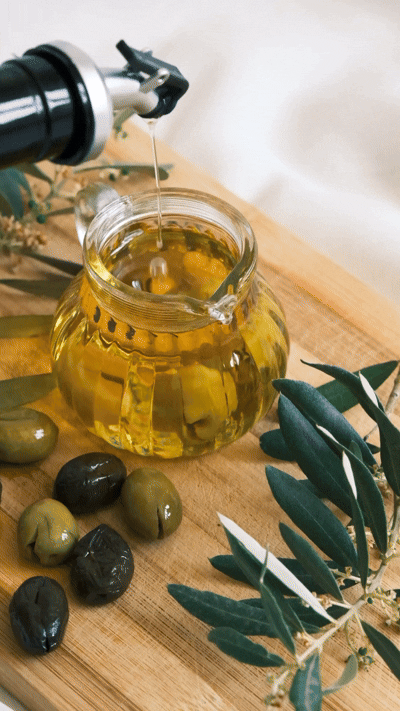
Olive oil has long been considered one of the healthiest staples in the world’s great cuisines. But in recent years, a particular type has been getting increased attention from chefs, nutrition experts, and wellness-focused travelers alike: high-polyphenol olive oil.
From Michelin-star kitchens to Mediterranean wellness retreats, this vibrant, peppery oil is gaining popularity not just for its flavor- but for its potential health benefits. Here’s why high-polyphenol olive oil is becoming one of the most talked-about ingredients in modern nutrition.
What Makes High-Polyphenol Olive Oil Different?
Polyphenols are natural plant compounds that act as powerful antioxidants. They’re found in foods like berries, tea, dark chocolate- and especially fresh, high-quality extra virgin olive oil.
In olive oil, polyphenols help protect the oil from oxidation and contribute to its distinctive peppery, slightly bitter taste. That sensation you feel in the back of your throat when tasting a high-quality olive oil? That’s often a sign of higher polyphenol levels.
Not all olive oils contain the same amount. Factors like olive variety, harvest timing, climate, and processing methods can significantly affect polyphenol levels.
Generally, early-harvest, cold-pressed extra virgin olive oils contain the highest concentrations.
Powerful Antioxidant Protection
Polyphenols are widely studied for their antioxidant properties. Antioxidants help neutralize harmful free radicals in the body- unstable molecules that can damage cells and contribute to aging and disease.
In olive oil, compounds like oleuropein, hydroxytyrosol, and oleocanthal are particularly powerful. These compounds are believed to support overall cellular health and may help reduce oxidative stress.
Supporting Heart Health
One of the reasons olive oil plays such a central role in the Mediterranean diet is its association with heart health.
Research has shown that the combination of monounsaturated fats and polyphenols in olive oil may help:
Support healthy cholesterol levels
Reduce inflammation linked to cardiovascular disease
Promote healthy blood vessel function
Some studies suggest that higher-polyphenol olive oils may offer even greater cardiovascular benefits than standard extra virgin olive oil.
Natural Anti-Inflammatory Properties
Certain polyphenols in olive oil- especially oleocanthal- have been shown to act similarly to mild anti-inflammatory compounds.
Researchers have noted that oleocanthal can inhibit inflammatory enzymes in the body in ways comparable to some over-the-counter anti-inflammatory medications. While olive oil isn’t a substitute for medical treatment, it’s one reason nutrition experts often recommend incorporating it regularly into a balanced diet.
Emerging research suggests that polyphenols may also play a role in supporting brain health. Antioxidants in olive oil may help protect neurons from oxidative damage, and some studies indicate that polyphenol-rich diets may be associated with improved cognitive function and reduced risk of neurodegenerative diseases.
It’s one reason many longevity experts emphasize olive oil as a daily dietary staple.
A Staple of Mediterranean Longevity
Countries like Greece, Italy, and Spain, where olive oil consumption is among the highest in the world, are also home to some of the planet’s longest-living populations.
While lifestyle, diet, and culture all play a role, olive oil is widely considered one of the pillars of the Mediterranean lifestyle, which consistently ranks among the healthiest dietary patterns globally.
High-polyphenol olive oils offer a concentrated expression of the same ingredient that has supported Mediterranean cooking and wellness for centuries.
Many producers now test their oils and publish polyphenol levels, though flavor and freshness remain equally important indicators.
How to Enjoy It
High-polyphenol olive oils are often best enjoyed raw or very lightly heated where their complex flavors shine. While many drink high-polyphenol olive oil daily as a "sipping" olive oil, you can also get the same health benefits by incorporating it into a raw salad dressing or drizzle as a finishing oil.
Some favorite ways to incorporate them include:
Drizzling over roasted vegetables
Finishing grilled fish or meats
Tossing with fresh salads
Pairing with artisanal bread and sea salt
Adding to soups or pasta just before serving
Because of their bold flavor, a little often goes a long way.
High-polyphenol olive oil blends culinary luxury with potential health benefits, making it one of the most exciting ingredients in today’s wellness-focused kitchens. It’s one of my favorite additions to our family meals, delivering both vibrant flavor and antioxidants.
This is an ingredient that seamlessly bridges flavor, tradition, and health- a perfect choice for travelers and food lovers who value both exceptional taste and ways to incorporate mindful living.
Christianne Klein is an Emmy® and Edward R. Murrow Award-winning TV Host, journalist, travel and lifestyle expert, and founder of FoodFamilyTravel.com.
For more tips, trends, and inspiration, be sure to follow FoodFamilyTravel.com on social
Instagram: @food.family.travel
Tiktok: @FoodFamilyTravel